Training Course MindSketch
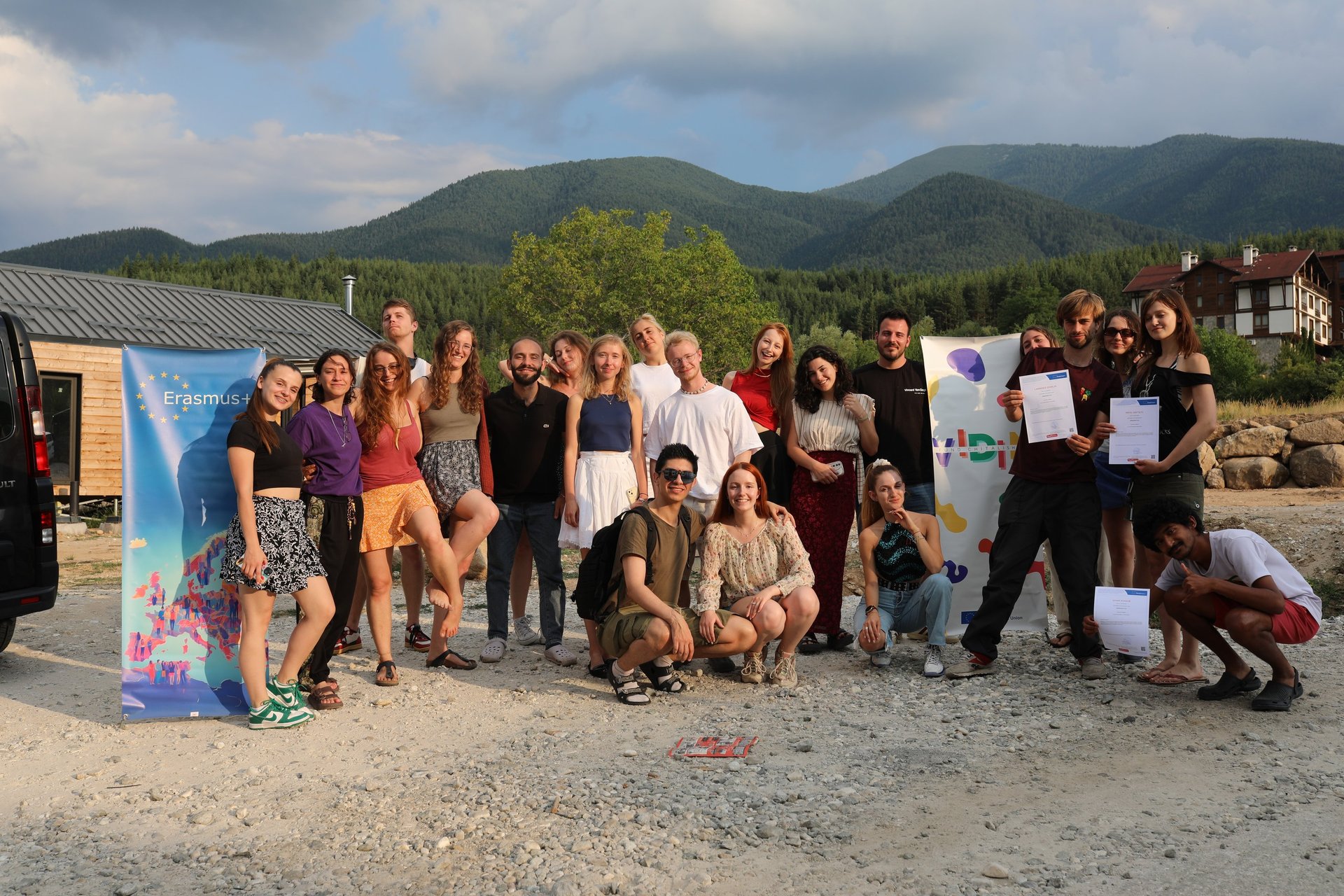
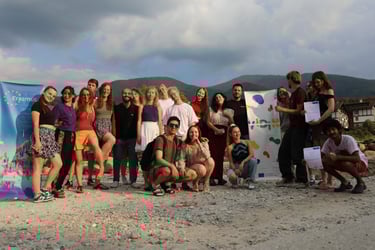
The TC MindSketch where creativity meets wellbeing From July 6 to 16, 2025, the peaceful mountain town of Bansko, Bulgaria, became a creative and emotional haven for participants of MindSketch, a unique Erasmus+ training course designed to connect mental health and artistic expression. But what exactly is a training course under Erasmus+? Erasmus+ is the European Union’s program supporting education, training, youth, and sport across Europe. One of its key goals is to promote personal development, sense of belonging, intercultural un- derstanding, and lifelong learning.
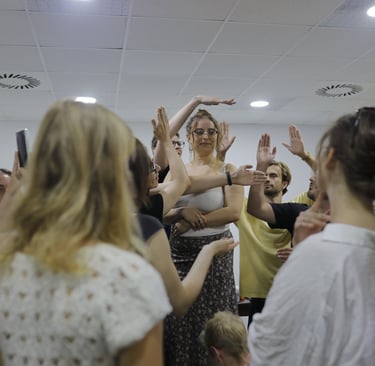
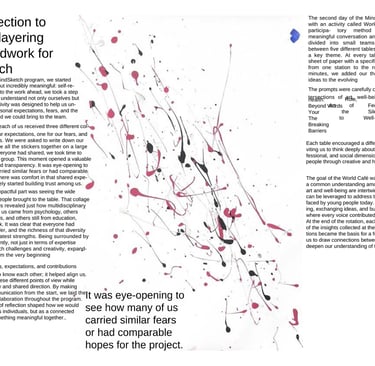
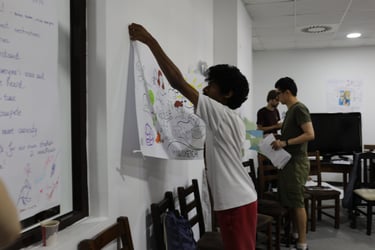
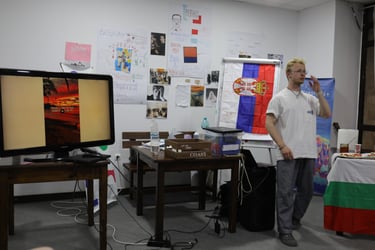
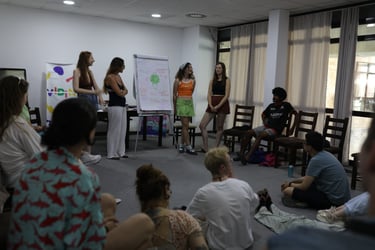
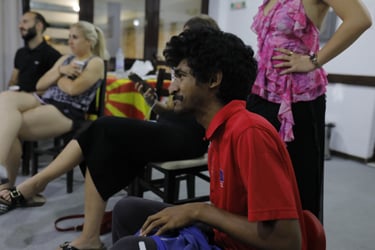
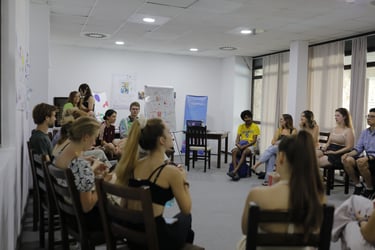
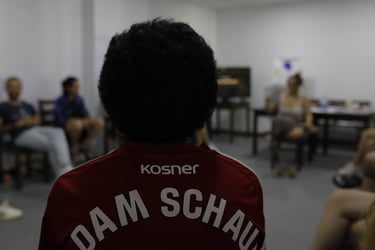
From July 6-16, 2025, youth workers from across Europe gathered in Bansko, Bulgaria for MindSketch - an Erasmus+ training course exploring how art can support mental health and wellbeing in youth work. The nine-day programme blended theoretical foundations with hands-on creative practice, taking participants on a journey from understanding mental health concepts to designing their own art-based interventions.
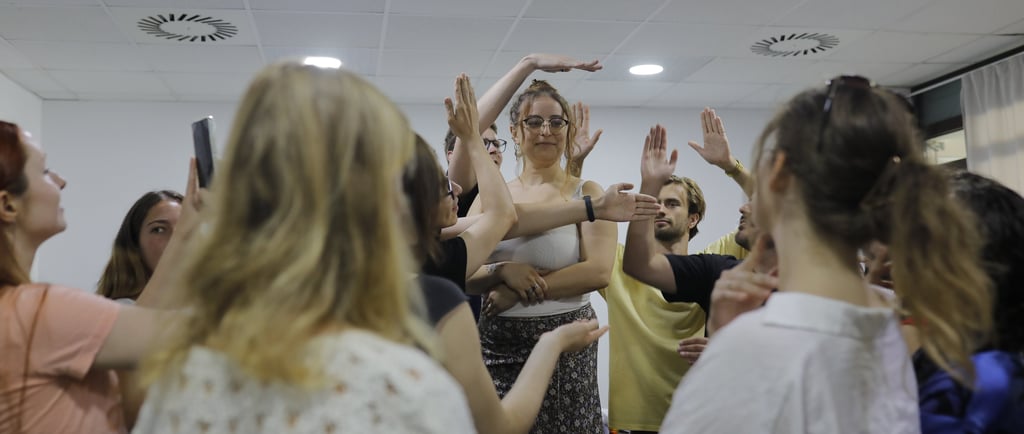
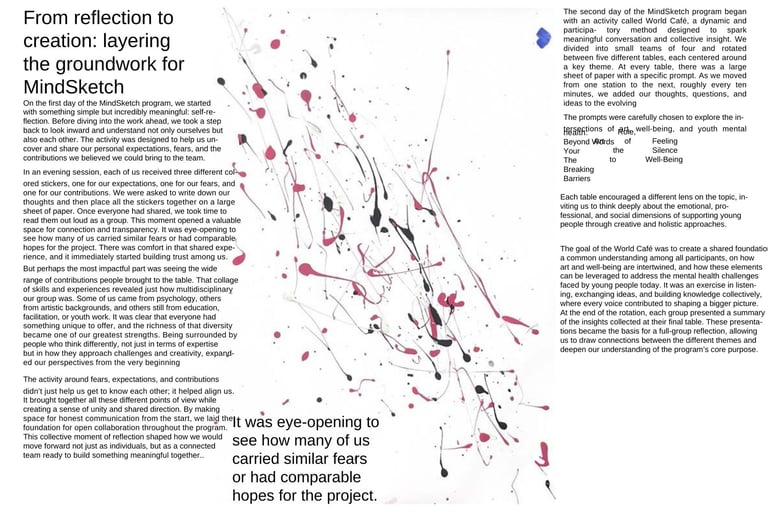
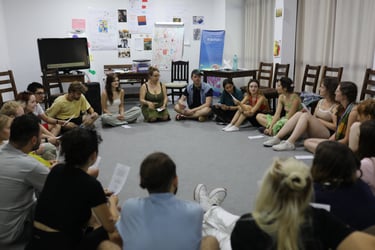
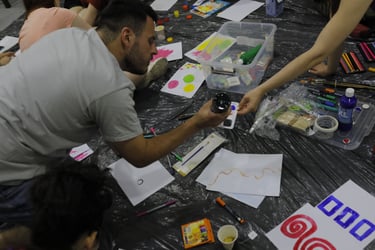
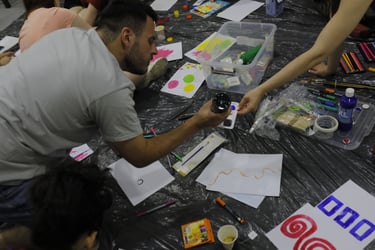
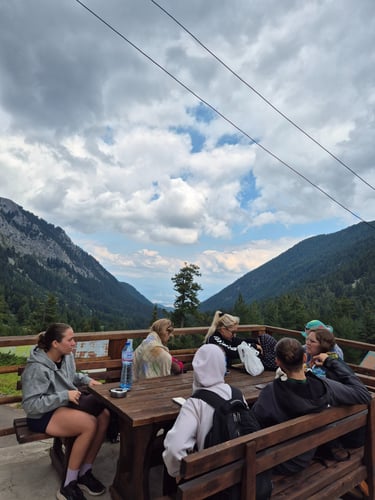
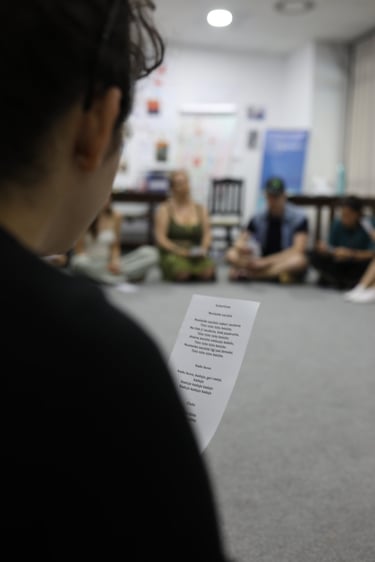
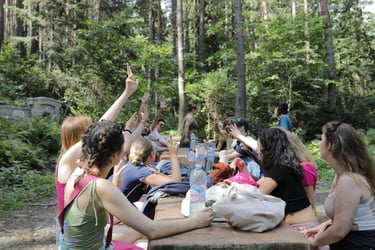
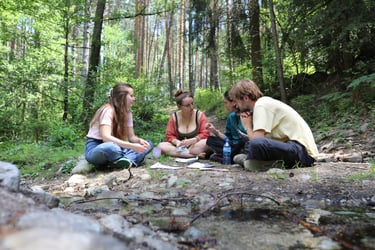
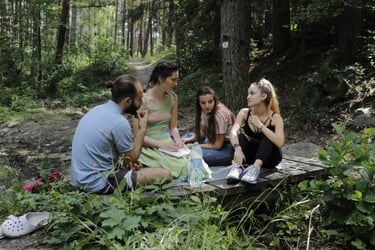
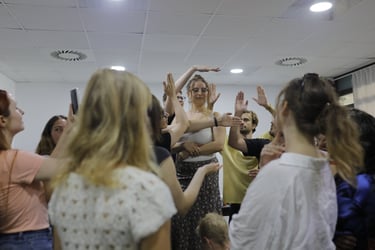
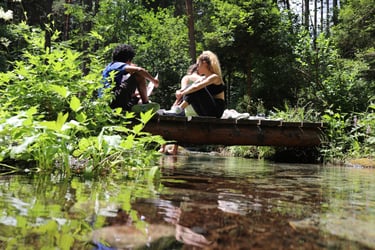
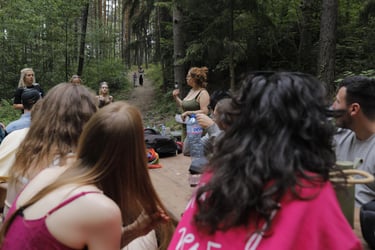
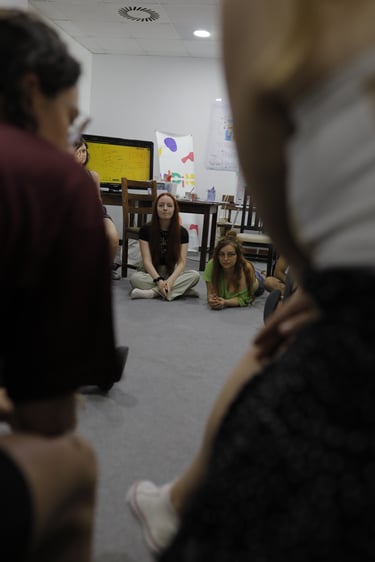
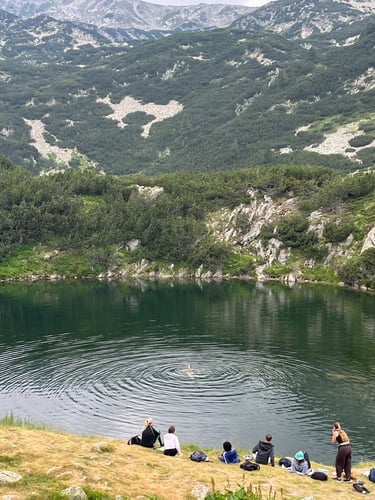
The training began with team-building and clarifying the distinction between mental health and mental wellbeing, then progressed through increasingly personal creative exercises. Participants analyzed how art has historically addressed mental health topics, created abstract representations of emotions, and explored their own struggles through painting and drawing. A pivotal outdoor day combined nature-based reflection with collaborative land art creation and Lithuanian polyphonic singing, deepening the group's connection while demonstrating how art and socializing together enhance wellbeing across all five mental health dimensions.
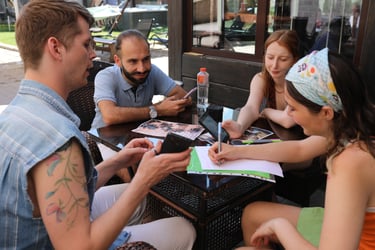
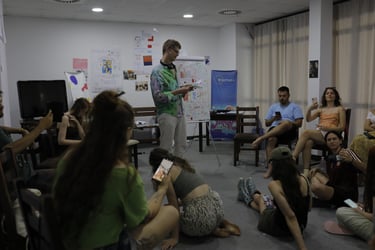
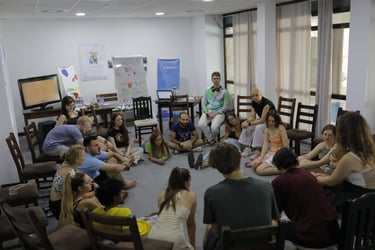
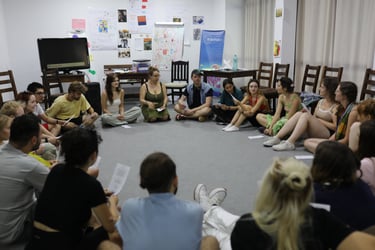
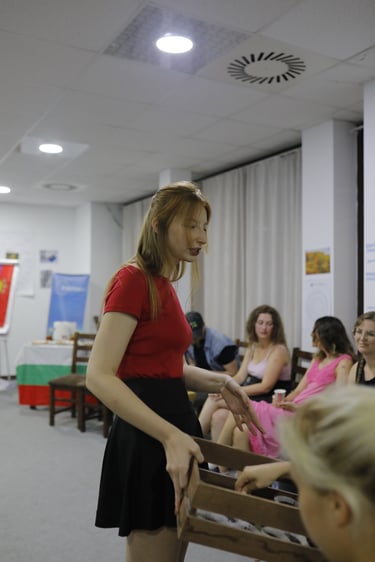
By day seven, participants had absorbed enough to become creators themselves. Working in small teams, they designed original activities utilizing art as a tool for mental health support, then tested these workshops on each other. The experience was transformative - not only did the activities work, but each explored the topic in entirely different ways, revealing the vast potential of creative approaches. The final days were dedicated to producing a magazine-style report and bringing closure through Youthpass reflections, personal notes of gratitude, and comprehensive project evaluation.
Throughout the programme, participants discovered that effective mental health support doesn't always require formal training in psychology or art therapy. What it requires is willingness to create safe spaces, embrace vulnerability, and trust in creative expression as a valid pathway to emotional understanding. As one participant reflected: "I never saw myself as an artist. But we redefined what art could be: everything can be art if it holds intention."
The Manual
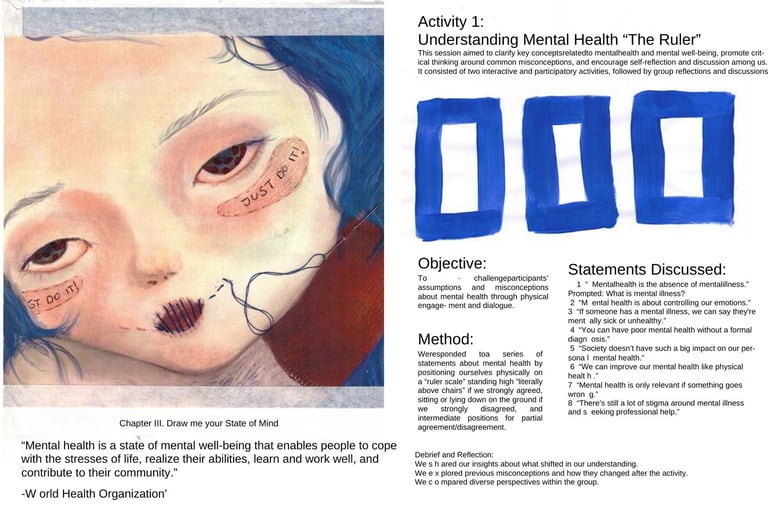
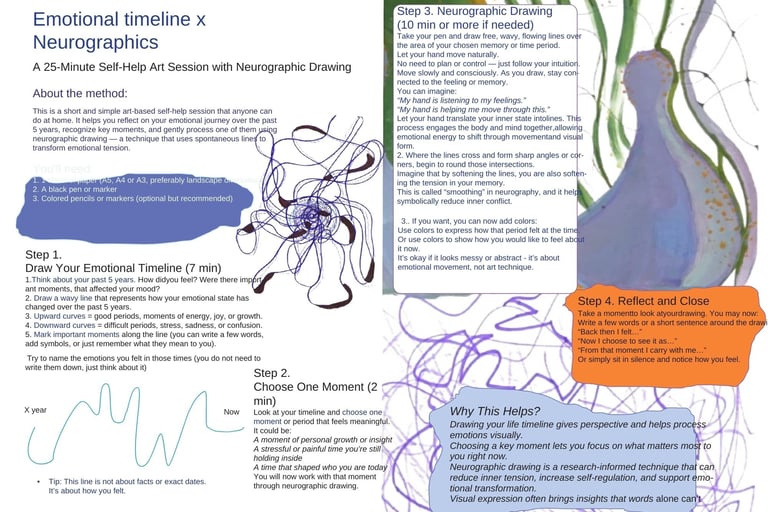
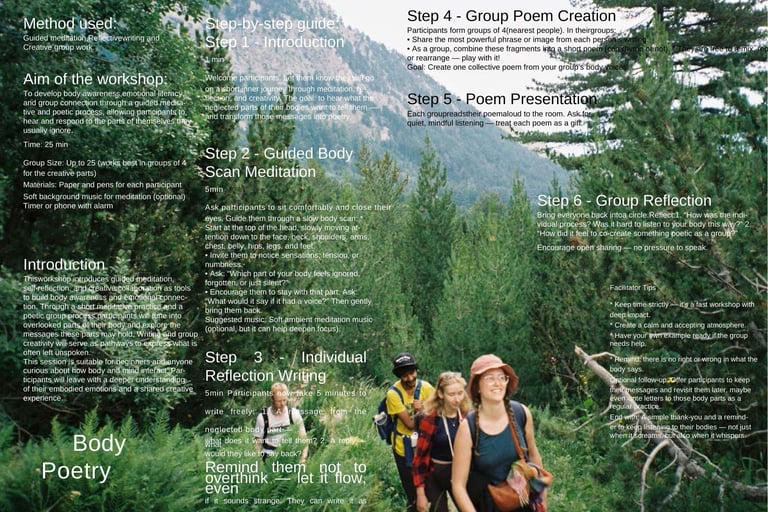
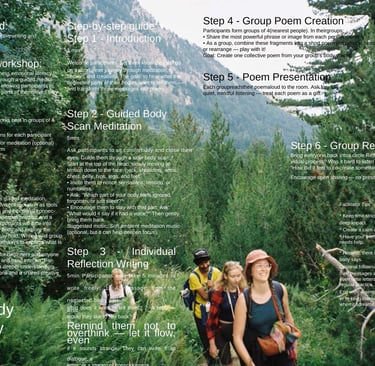
The resulting MindSketch manual transforms these nine days of experience into a practical toolkit for youth workers worldwide. Unlike typical training reports, this resource offers detailed, replicable workshop guides complete with facilitator instructions, time requirements, materials lists, and honest participant reflections about what actually worked. Activities range from 25-minute exercises like "Body Poetry" (combining guided meditation with creative writing) to more intensive sessions like "Blind Voices" (a structured vulnerability practice requiring careful facilitation).
Each activity is documented with clear objectives and step-by-step processes, but also with crucial context about emotional intensity and facilitation challenges. The manual doesn't shy away from complexity - it explicitly warns that some exercises "open emotional doors you can't easily close" and emphasizes that these are prevention and support tools, not substitutes for professional mental health treatment. This honesty makes it a genuinely useful field guide rather than an idealized how-to manual.
What makes this resource particularly valuable is its accessibility. The activities don't require artistic skill or expensive materials - constellation mapping needs only paper and colored pencils, neurographic drawing works with a simple pen, land art uses whatever nature provides. The manual demonstrates that creative expression as a mental health tool isn't about producing beautiful art; it's about creating pathways for emotions that words can't reach. For youth workers seeking fresh approaches to support young people's mental wellbeing, this manual offers both inspiration and practical starting points, all grounded in the lived experience of practitioners who've tested these methods themselves.
Vidin Fund Chitalishta
Funded by the European Union. Views and opinions expressed are however those of the author(s) only and do not necessarily reflect those of the European Union or the European Education and Culture Executive Agency (EACEA). Neither the European Union nor EACEA can be held responsible for them.